
The Local Ballot You're Not Watching: How Commissioners Court and City Council Shape Your Tax Bill
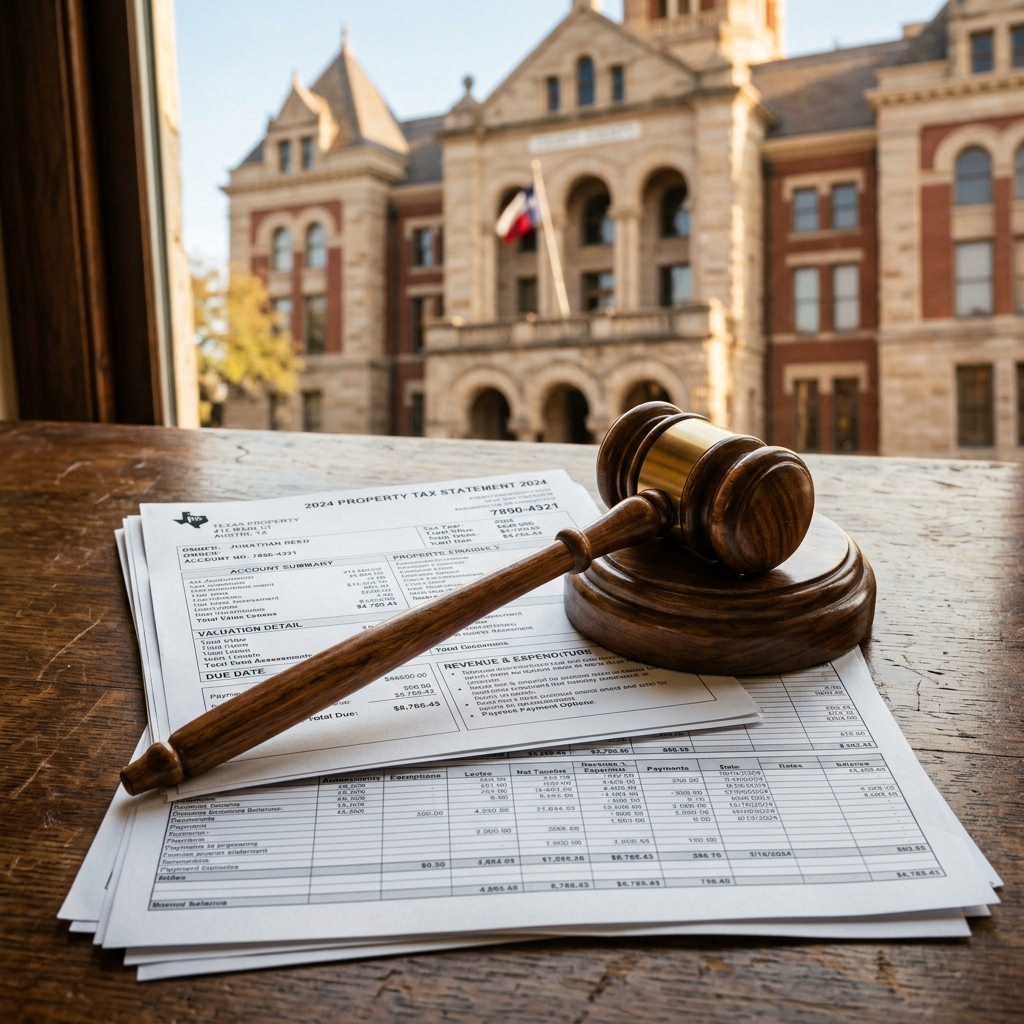
Open any newspaper, scroll any feed, and you’ll find national politics shouting at you for attention. But here’s a truth most political reporters won’t tell you: the elected officials with the biggest impact on your daily life are the ones whose names you barely know.
Your property tax bill. The roads in front of your house. Whether a new development goes in down the street. How your sheriff’s office is funded. What gets taught in your child’s classroom. None of that is decided in Washington. It is decided in rooms about 15 minutes from your living room – and most of those rooms have empty seats.
Where the real decisions get made
Here are four bodies that quietly shape life in Bastrop County:
Bastrop County Commissioners Court. Five officials – four commissioners plus the county judge – who set the county budget, approve property tax rates, oversee road maintenance, and authorize bond elections. They meet at the Bastrop County Courthouse, typically on Mondays.
City Councils in Bastrop, Smithville, and Elgin. They handle zoning, water and utility rates, local ordinances, and the city budgets that drive municipal property taxes. Council meetings happen in the evening – accessible to anyone with a job.
School Boards. Independent of city and county government, these elected boards set curriculum priorities, hire superintendents, and adopt the budgets that account for the largest share of most homeowners’ property tax bills.
Special Districts – emergency services, water, cultural – each with their own elected officials and their own taxing authority. Most residents never realize how many small jurisdictions are levying on their property until they read the line items on their tax statement.
Why this matters: the property tax math
Here’s the part that should make every Bastrop County homeowner sit up. Texas has no state income tax, which is one of the reasons people move here. But the trade-off is that local property taxes do most of the work. And property taxes are set – line by line – by the local bodies above.
When values go up faster than budgets are restrained, your bill goes up. That’s not a theory. That’s arithmetic. Every public meeting where a rate or a budget is voted on is a meeting where your tax bill is being decided. When those rooms are empty, the bill goes up. When those rooms are full of taxpayers, the conversation changes.
How to start engaging – without quitting your day job
You don’t have to become a regular at every meeting. Try this:
- Pick one body. Commissioners Court is a good starting point because its decisions touch every resident.
- Read one agenda per month. Agendas are public and usually posted days in advance. Skim it. Five minutes.
- Attend one meeting per quarter. Even just sitting in the audience. You will be shocked how much you learn in 90 minutes.
- Show up for the property tax rate hearing. This is the single most consequential meeting of the year for homeowners. Mark it on your calendar.
A standing invitation
BCRP tracks key local meetings and posts them on our events calendar. If you’re new to local government, you don’t have to walk in alone – message us and we’ll let you know which longtime attendee can sit with you, explain the procedure, and answer your questions in plain English.
Federal politics is loud. Local politics is decisive. It’s time more Bastrop County conservatives showed up where the decisions are actually being made.
👉 See this month’s local meetings and put one on your calendar.